Data Visualisation with Python and AI

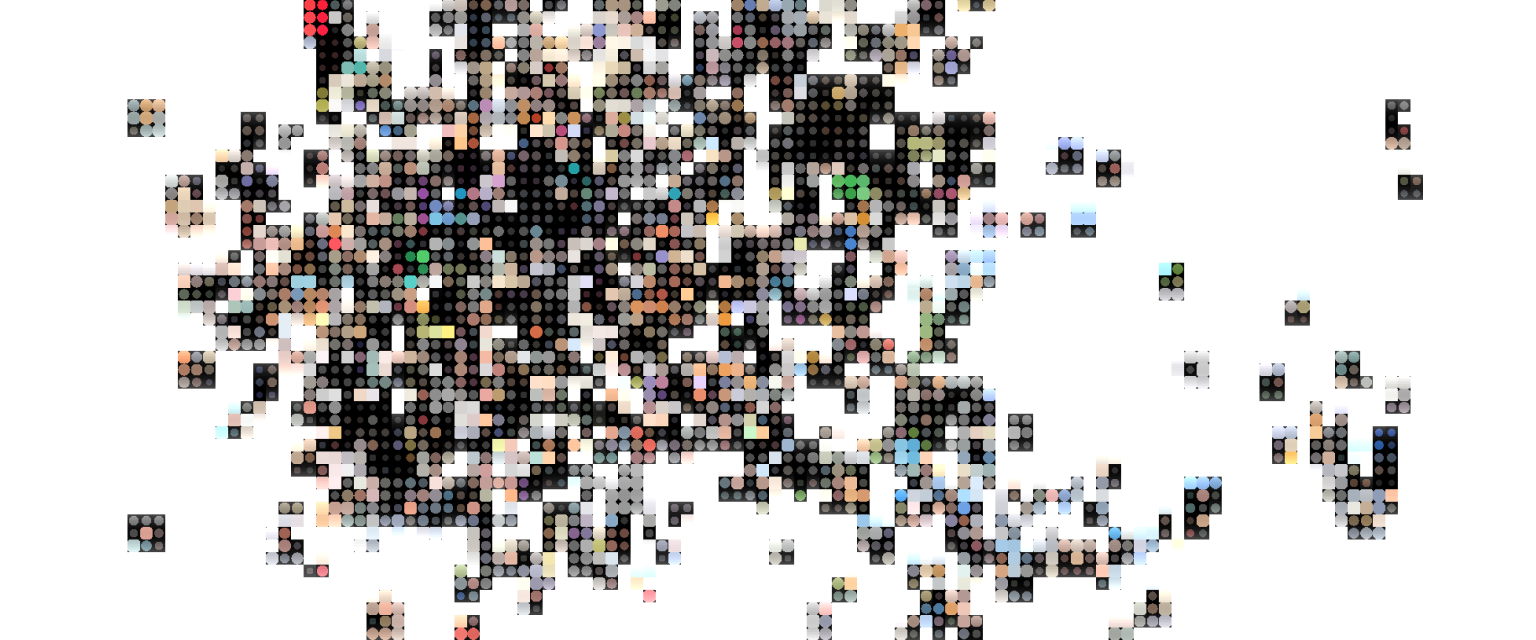
Umap visualisation of profile image thumbnails, Asadchy 2025

Data Visualisation with Python and AI

Introduction to data visualisation, Python basics and the use of AI to create meaningful charts

Dear students, note that this page is updated after the school is over. If you are about to enroll, this page reflect the program from the previous cohort

Enroll in this course

Overview

The course is designed for people who are interested in improving their ability to analyze and communicate with data. No prior experience in programming or statistics is required, though familiarity with basic data handling will be helpful. The mix of lectures, group discussions, hands-on labs, and project work makes the course accessible to beginners while also offering depth for more advanced students.

Short Programm

Day 1 - Introduction

Introduction to Data VisualisationCreation and study of the visual representation of data., why it is important.

Day 2 – Visual Perception & Cognitive Principles

How humans perceive patterns (Gestalt principles, pre-attentive attributes), colors and what are the most common pitfalls

Day 3 – Data Types & Chart Types

Matching data types to visual forms (categorical, ordinal, quantitative, time series, spatial), the grammar of graphics

Day 4 – Principles of Good Visualization

Edward Tufte’s principles (data-ink ratio, avoiding distortion, maximizing data density), Stephen Few’s guidelines on clarity

Day 5 – Visualizing Time, Space, and Networks

Time series visualization, Geospatial visualization, Network AnalysisMethod to study the relations of actors or other entities in a mediated network. The resulting network is made up of nodes (entities) and edges (relations).

Day 6 – Ethics, Misrepresentation & Persuasion, Storytelling

Cherry-picking, truncating axes, misleading design, exploratory vs. explanatory Data VisualisationCreation and study of the visual representation of data.

Day 7 – AI tools (Google Collab, Anthropic, ChatGPT, Cursor, etc.)

Abilities and limitations of tools

Day 8 – Advanced Prompting, AI Agents

Programming over prompting, skills for AI agents

Day 9 – Workshop: Student Mini-Projects

Framing a visualization project: asking good questions, choosing data, and defining audience

Day 10 – Project Presentations & Course Wrap-Up

Student Presentations, wrap-up notes

Enroll in this course